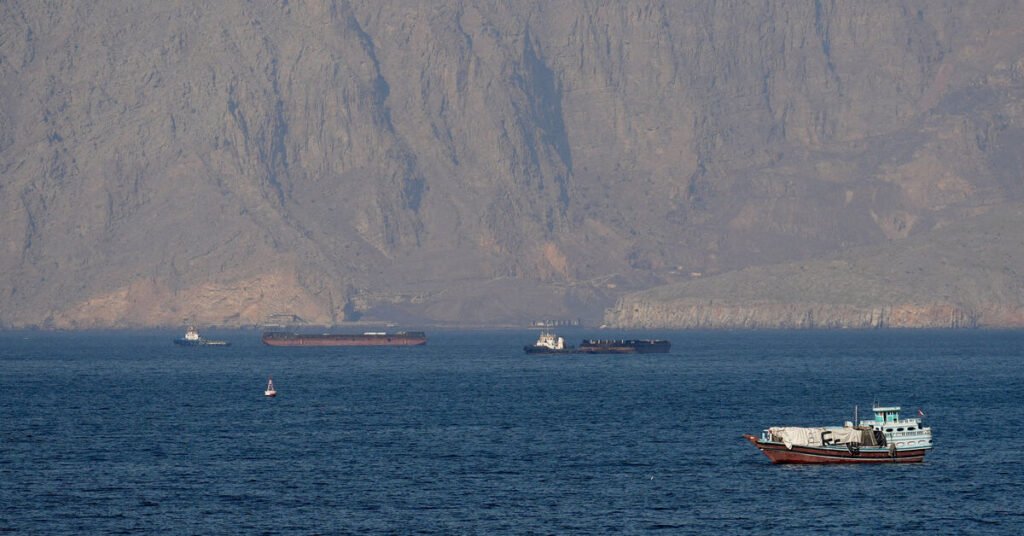
The United States has intensified its efforts to curb Iranian influence and activities in the Middle East by imposing new sanctions aimed at key individuals associated with the Iranian regime. On July 10, the U.S. Treasury Department announced these latest measures in response to Iran’s renewed military aggression in the strategically vital Strait of Hormuz, a critical conduit for global oil shipments.
The sanctions specifically target Ali Ansari, an Iranian banker and businessman who has been operating out of Dubai. Ansari is believed to have significant ties to Iran’s financial networks, which the U.S. government has accused of facilitating illicit activities, including funding for militant groups and supporting Iran’s controversial nuclear program. This move underscores the U.S. administration’s commitment to holding accountable those who contribute to Iran’s destabilizing actions in the region.
Background on Iran’s Maritime Activities
The Strait of Hormuz, which connects the Persian Gulf to the Gulf of Oman, is a vital passageway through which approximately 20% of the world’s oil trade transits. In recent months, tensions have escalated as Iran has resumed attacks on international shipping vessels, raising alarms among global leaders and maritime security experts. These aggressive actions include hijackings and harassment of commercial ships, which have led to increased military presence from the United States and its allies in the region.
The U.S. government’s latest sanctions are part of a broader strategy to deter Iran from further engaging in such hostile activities. The sanctions not only aim to weaken the financial underpinnings of Iranian operatives but also serve as a warning to other potential actors who may consider supporting Iran’s maritime aggression.
International and Regional Reactions
The international community has closely monitored the situation in the Strait of Hormuz, with various countries expressing concerns over Iran’s actions. The European Union and several Gulf Cooperation Council (GCC) member states have called for a unified response to ensure the safety of navigation in the region. The U.S. has reiterated its commitment to protecting maritime freedom, stating that it will continue to work with allies to deter further Iranian provocations.
In response to the sanctions, Iranian officials have condemned the U.S. actions as a violation of international law and an attempt to undermine Iran’s sovereignty. This rhetoric reflects the ongoing tensions between Washington and Tehran, which have been exacerbated by the U.S. withdrawal from the Joint Comprehensive Plan of Action (JCPOA) in 2018 and the subsequent re-imposition of economic sanctions.
Implications for Future U.S.-Iran Relations
The recent sanctions illustrate the complexities of U.S.-Iran relations, which remain fraught with tension and mistrust. As diplomatic efforts to revive the JCPOA have stalled, the likelihood of further sanctions and military confrontations seems increasingly probable. Analysts suggest that without a significant shift in policy from either side, the cycle of aggression and retaliation may continue to escalate.
As the situation develops, global markets and shipping companies will be closely watching for potential impacts on oil prices and maritime security in the region. The U.S. government’s decisive actions highlight its ongoing commitment to counter Iran’s influence and ensure the safety of international shipping routes, a vital component of the global economy.
This article was originally aggregated from the source listed below.
Read Full Article on Al-Monitor – Middle East Politics & News →