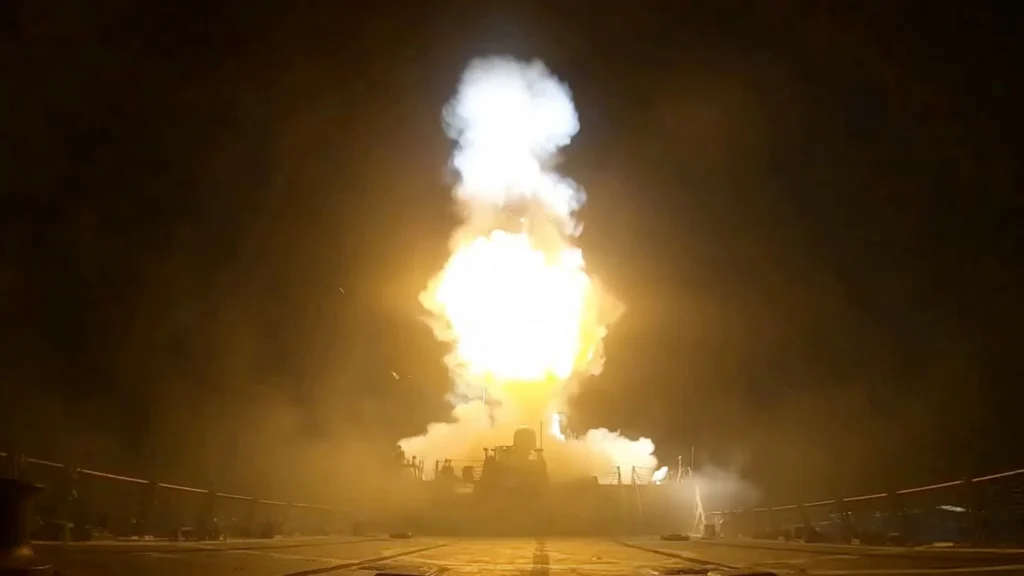
Escalating Tensions: Iran Strikes Gulf Neighbors Following US Military Action
In a dramatic escalation of hostilities in the Gulf region, Iran has launched a series of retaliatory strikes against its neighbors following a targeted military operation by the United States. The US airstrikes, executed in the early hours of Sunday, were a direct response to an earlier Iranian attack on a commercial vessel traversing the vital Strait of Hormuz. This incident resulted in significant damage to the ship, igniting flames that forced its crew to abandon their vessel in a harrowing escape.
Background of the Conflict
The Strait of Hormuz, a narrow passage that connects the Persian Gulf with the Gulf of Oman, is a critical maritime route for global oil shipments. Tensions in the region have been intensifying over recent months, with both the US and Iran engaged in a series of provocations that have raised fears of a larger military confrontation. The recent Iranian attack was reportedly aimed at sending a message regarding its influence over maritime security in the region, a message that the US responded to with force.
The US Response
In what officials described as a necessary action to protect international shipping lanes, US forces conducted airstrikes targeting Iranian military installations believed to be involved in the planning and execution of the attack on the container ship. The Pentagon stated that the strikes were designed to degrade Iran’s ability to conduct similar operations in the future and to ensure the safety of maritime navigation in the strategic waterway.
Iran’s Retaliation
In an immediate response to the US airstrikes, Iranian forces launched attacks aimed at several Gulf states, including Bahrain, Kuwait, Qatar, and Oman. Reports indicate that these strikes involved missile and drone attacks, which targeted military installations and infrastructure in these nations. While the extent of damage and casualties is still being assessed, the Iranian government has framed these actions as a defense of its sovereignty and a warning to its adversaries in the region.
Regional Reactions
The response from Gulf nations has been one of alarm and condemnation. Leaders from Bahrain, Kuwait, Qatar, and Oman have convened emergency meetings to discuss the implications of these attacks on regional stability. The Gulf Cooperation Council (GCC) has called for immediate de-escalation and urged all parties to engage in dialogue to prevent further conflict.
In a statement, the GCC emphasized the importance of maintaining peace and security in the region, reiterating that any form of aggression would be met with a united front. The situation has drawn international attention, with calls for restraint coming from various global leaders and organizations concerned about the potential for a wider conflict.
Looking Ahead
The recent spate of attacks underscores the fragility of peace in the Gulf region and raises questions about the effectiveness of current diplomatic efforts to mediate tensions between the US and Iran. Analysts warn that unless both sides engage in meaningful dialogue, the prospect of further military confrontations could escalate, with devastating consequences for regional security and global oil markets.
As the situation continues to unfold, the international community is closely monitoring developments, hoping for a resolution that can avert further violence and foster stability in one of the world’s most strategically important regions.
This article was originally aggregated from the source listed below.
Read Full Article on Gulf Today – Latest News →