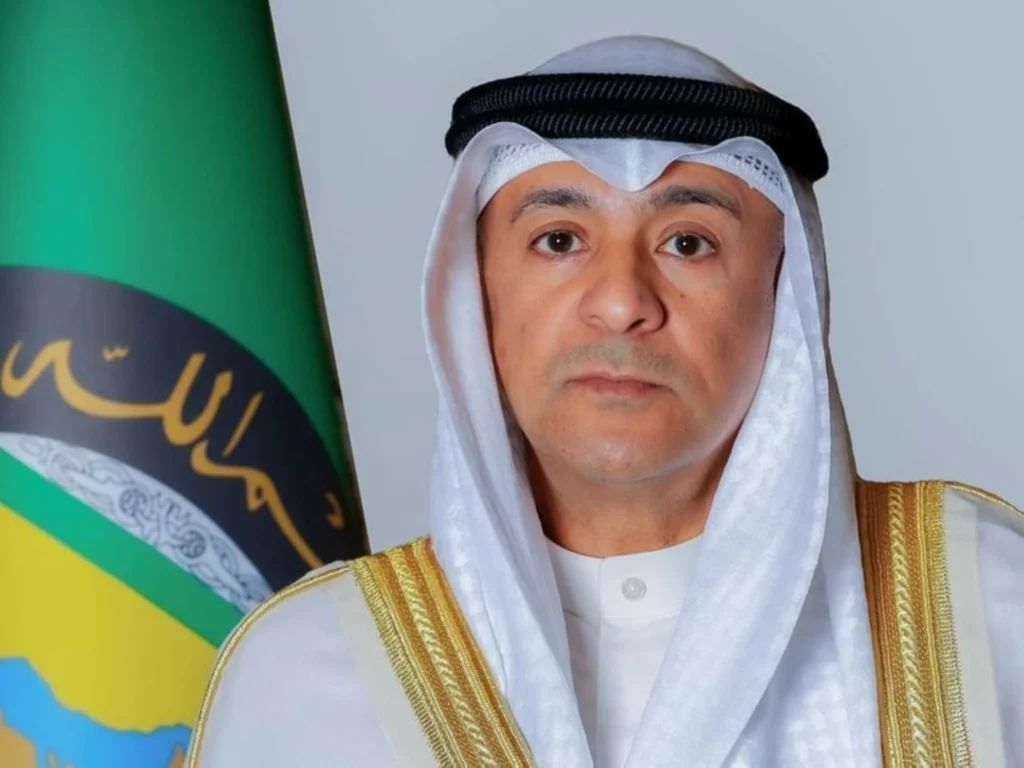
GCC Secretary-General Condemns Iran’s Attack on UAE Oil Tankers
In a forceful statement that underscores the escalating tensions in the region, Jasem Mohamed Albudaiwi, the Secretary-General of the Gulf Cooperation Council (GCC), has condemned the recent Iranian attack on two oil tankers belonging to the United Arab Emirates. The assault, which targeted the vessels Mombasa and Al Bahiyah, tragically resulted in the death of a crew member and left several others injured.
Details of the Attack
The incident occurred in the strategic waters of the Gulf, a crucial maritime route for global oil shipments. While specifics surrounding the attack remain sparse, the repercussions have already sparked widespread condemnation from various international bodies and regional allies. Albudaiwi characterized the incident as a “terrorist attack,” emphasizing its aggressive nature and the threat it poses not only to UAE interests but also to the stability of the entire Gulf region.
Regional and International Response
Following the attack, Albudaiwi called for immediate action to hold those responsible accountable, urging the international community to unite against such acts of aggression. He stated, “This brazen attack on civilian maritime assets is a clear violation of international law and a direct threat to the safety and security of the region. We must stand together to prevent further escalations.” His comments reflect a growing concern among GCC members regarding Iran’s military activities in the Gulf, which have intensified over the past few years.
The GCC, which comprises six member states—Saudi Arabia, Kuwait, the UAE, Oman, Qatar, and Bahrain—has been vocal in its criticism of Iran’s regional policies. The organization has frequently expressed apprehension over Iran’s alleged support for militant groups and its nuclear ambitions, which are viewed as destabilizing factors in the Middle East. This latest incident has only heightened those fears.
Implications for Maritime Security
The attack has raised urgent questions about maritime security in the Gulf, a region that is vital for global energy supplies. Experts are now calling for enhanced security measures to protect shipping lanes from similar threats. The UAE, which has positioned itself as a hub for trade and commerce, is particularly vulnerable to such attacks, given its reliance on maritime routes for oil exports.
- Increased Naval Patrols: There are calls for increased naval presence in the Gulf to deter future attacks.
- International Cooperation: Regional allies may seek to bolster cooperation with international naval forces to enhance security measures.
- Diplomatic Efforts: The GCC may intensify diplomatic efforts to address the root causes of regional instability.
Conclusion
The GCC Secretary-General’s condemnation of the Iranian attack highlights not only the immediate consequences of such acts but also the broader implications for regional stability. As tensions continue to rise, it remains crucial for GCC member states and their allies to take decisive action to ensure the safety of their maritime operations and to uphold international law. The international community’s response will be pivotal in determining the future dynamics of Gulf security and the ongoing geopolitical landscape.
This article was originally aggregated from the source listed below.
Read Full Article on Gulf Today – Latest News →