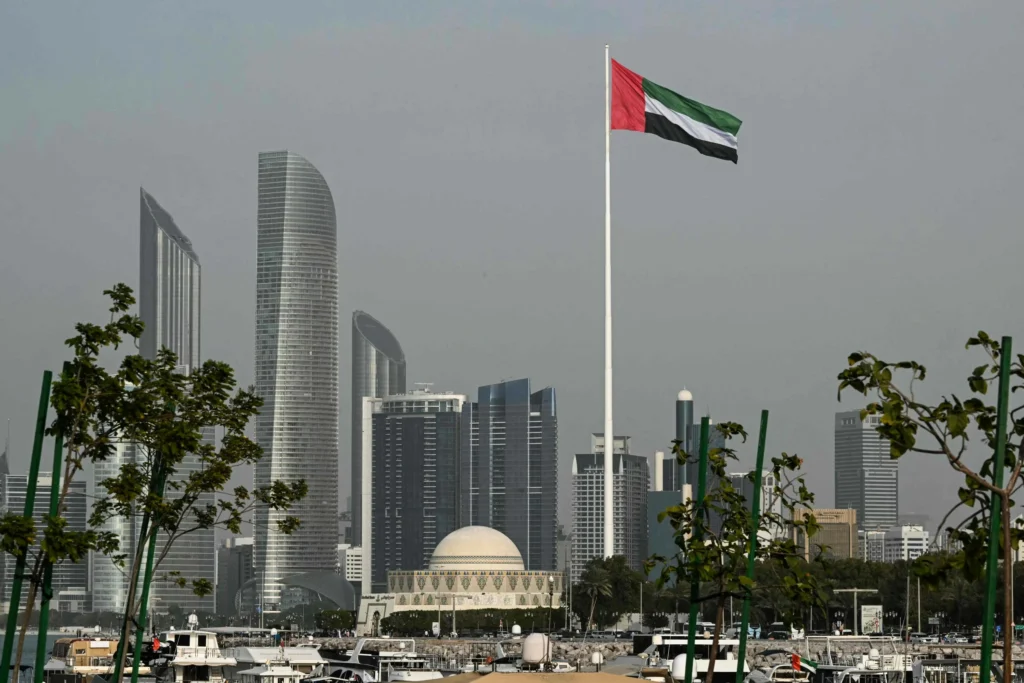
The United Arab Emirates (UAE) has issued a strong condemnation regarding the recent hostile actions by Iran, which involved targeted attacks on two UAE national oil tankers, the Mombasa and Al Bahiyah. These vessels were reportedly struck by Iranian cruise missiles while navigating through the southern shipping lane of the strategically significant Strait of Hormuz, an area that falls within Omani territorial waters.
In an official statement released by the UAE Ministry of Foreign Affairs and International Cooperation, the government described the missile strikes as a blatant act of aggression that not only threatens the safety and security of maritime navigation but also poses a significant risk to regional stability. The UAE has called upon the international community to take immediate action to address these provocations, emphasizing the necessity for collective measures to safeguard maritime routes and ensure the protection of commercial shipping against such hostile acts.
Details of the Incident
The attacks on the Mombasa and Al Bahiyah occurred during a routine transit through the Strait of Hormuz, a vital waterway through which a substantial portion of the world’s oil supply is transported. The Iranian military’s use of cruise missiles highlights an alarming escalation in regional tensions, raising concerns among neighboring countries and global powers alike. Experts suggest that such actions could have far-reaching implications for international shipping and energy markets.
International Response
The UAE’s condemnation has been echoed by several allied nations, who have expressed solidarity with the Emirates in light of these aggressive maneuvers. Analysts believe that the incident could prompt a reassessment of maritime security protocols in the region, with countries likely to increase naval patrols and surveillance to deter any further Iranian provocations.
U.S. officials have also weighed in on the situation, reiterating their commitment to ensuring freedom of navigation in international waters. The Pentagon has stated that it is closely monitoring the developments and is prepared to support the UAE and other regional allies in protecting their interests.
Potential Implications for Regional Stability
The escalation of hostilities in the Gulf region is particularly concerning given the ongoing tensions between Iran and several Gulf Cooperation Council (GCC) states. The UAE, along with Saudi Arabia and other regional partners, has been engaged in a complex geopolitical landscape characterized by Iran’s nuclear ambitions, its support for proxy groups, and its broader regional influence.
As the UAE firmly stands against these aggressive actions, the potential for a broader conflict looms large. Analysts warn that if such incidents continue unchecked, they could lead to a heightened military response from the UAE and its allies, thereby destabilizing the region further.
Conclusion
The UAE’s strong denunciation of Iran’s attacks on its oil tankers underscores the fragile nature of peace and security in the Gulf. As the situation develops, the UAE is likely to seek diplomatic channels to address the issue, while simultaneously preparing for any necessary defensive measures to protect its maritime interests. The international community’s response in the coming days will be critical in shaping the future of maritime security and regional stability in this vital area of the world.
This article was originally aggregated from the source listed below.
Read Full Article on Gulf Today – Latest News →