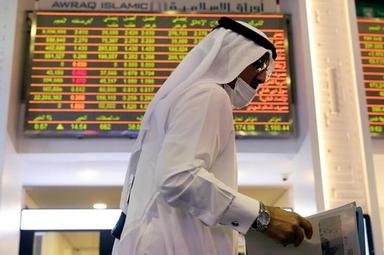
Mideast Markets Rally as US Drops Hormuz Shipping Levy Plan and Inflation Eases
In a significant turn of events that has influenced investor sentiment across the region, most Gulf markets experienced gains on Wednesday, bolstered by the United States’ decision to drop its proposed shipping levy plan for the Strait of Hormuz, coupled with softer inflation figures released in the US. This combination of factors has led to a more optimistic outlook among investors, particularly in the UAE and Saudi Arabia.
Dubai’s Main Share Index Sees Notable Gains
In Dubai, the main share index surged by 1%, reflecting a robust performance driven by gains in key sectors. The Dubai Financial Market General Index closed at 3,530 points, buoyed by strong performances from major companies across real estate, banking, and tourism sectors. Notably, Emaar Properties, one of the largest real estate developers in the region, saw its stock rise by 1.5%, while Emirates NBD, a leading banking institution, also posted significant gains.
Impact of US Policy Changes
The US decision to abandon the Hormuz shipping levy plan has alleviated concerns regarding potential disruptions to one of the world’s most critical maritime routes. The Strait of Hormuz is a vital passage for global oil shipments, with nearly a fifth of the world’s oil supply transiting through its waters. Investors had been wary of escalating tensions in the region that might have arisen from such a levy, which could have led to increased shipping costs and potential conflicts.
Furthermore, the latest inflation data from the US revealed a softer-than-expected inflation rate, which eased fears of aggressive interest rate hikes by the Federal Reserve. This development is seen as a positive signal for global markets, as lower inflation could lead to a more stable economic environment and encourage investment. The annual inflation rate fell to 2.9% in August, down from 3.2% in July, providing additional support for equities across the Gulf region.
Broader Gulf Market Trends
Beyond Dubai, other Gulf markets mirrored this positive trend. In Saudi Arabia, the Tadawul All Share Index rose by 0.8%, driven by gains in the energy and materials sectors. Major oil companies, including Saudi Aramco, benefited from the uplift in crude prices, which have remained relatively stable amid ongoing geopolitical tensions and production adjustments.
In Qatar, the benchmark index climbed 0.6%, supported by gains in the telecommunications and consumer goods sectors. The Qatar Stock Exchange has seen a resurgence in investor confidence, particularly as the nation prepares to host the upcoming 2023 FIFA World Cup, which is expected to boost tourism and economic activity.
Outlook for Investors
The overall sentiment in the Gulf markets is cautiously optimistic, with analysts suggesting that the combination of easing geopolitical tensions and favorable economic indicators from the US may continue to support market momentum in the near term. However, investors remain vigilant, closely monitoring developments in oil prices and geopolitical dynamics that could impact regional stability.
As Gulf markets continue to navigate through these complexities, the focus will remain on the interplay between local economic factors and global market trends, which will ultimately shape investment strategies in the months ahead.
This article was originally aggregated from the source listed below.
Read Full Article on Zawya – GCC Business & Press →