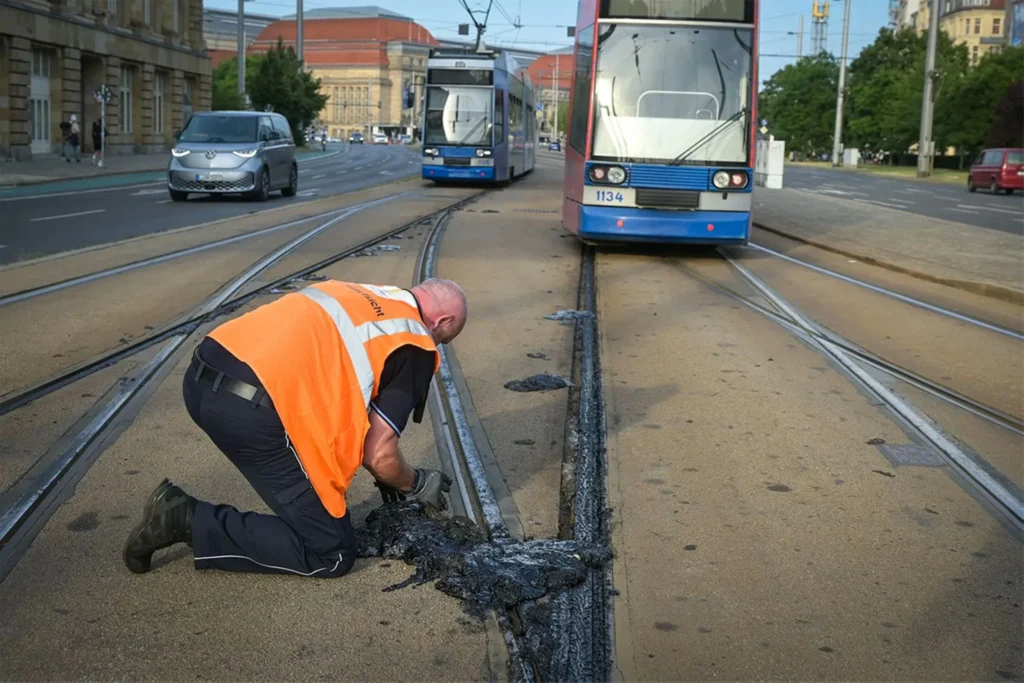
Europe Races to Protect Infrastructure from Escalating Heat
As Europe battles unprecedented heatwaves, the continent’s infrastructure is showing signs of strain under the extreme temperatures. Railways are buckling, roads are melting, and power grids are being pushed to their limits. In response to these challenges, various European nations are turning to innovative solutions to safeguard their ageing infrastructure and ensure the safety of their citizens.
Innovative Technologies in Action
One of the most promising developments involves the use of cutting-edge technology. Countries are deploying drones to inspect railway tracks, providing real-time assessments of structural integrity. These unmanned aerial vehicles can cover vast distances quickly, identifying potential issues that could lead to catastrophic failures. In addition, artificial intelligence (AI) powered sensors are being integrated into infrastructure systems, allowing for predictive maintenance and timely interventions before problems escalate.
For instance, AI systems can analyze vast amounts of data collected from sensors embedded in roads and tracks, identifying patterns that may indicate wear and tear. This proactive approach not only enhances safety but also reduces repair costs and downtime.
A Surprising Solution: White Paint
While technology plays a crucial role in addressing infrastructure challenges, some countries are opting for a surprisingly simple yet effective solution: white paint. This seemingly mundane material can significantly mitigate the effects of extreme heat. By painting surfaces, such as roads and rooftops, with reflective white paint, cities can lower surface temperatures, reducing the heat absorption that contributes to infrastructure degradation.
At Oslo Airport in Norway, officials recently took this approach, applying white paint to key areas to combat the rising temperatures. The initiative not only enhances the longevity of the infrastructure but also improves energy efficiency by lowering cooling costs in nearby buildings.
Government Responses and Investments
European governments are responding to the immediate crisis with a mix of emergency measures and long-term investments. Many nations are allocating additional funding to upgrade infrastructure, ensuring it can withstand the increasing frequency and intensity of heatwaves. For example, in the UK, transport authorities are reviewing heat resilience strategies, including the replacement of vulnerable materials with heat-resistant alternatives.
Meanwhile, in Southern Europe, where heatwaves are particularly severe, countries like Spain and Italy are implementing heat action plans that include public awareness campaigns and infrastructure resilience assessments. These plans aim to prepare citizens for the impacts of extreme heat while ensuring that essential services remain operational.
Collaboration Across Borders
Addressing the challenges posed by climate change requires a collaborative approach. European nations are sharing best practices and technologies to create a united front against the escalating threat of heat. The European Union has launched initiatives aimed at fostering cooperation in climate resilience, encouraging member states to adopt innovative solutions that can be implemented across borders.
As Europe continues to grapple with the realities of climate change, the race to protect infrastructure is becoming increasingly urgent. By combining technology with simple yet effective solutions like reflective paint, countries are not only safeguarding their infrastructure but also paving the way for a more resilient future. The initiatives being undertaken today will be crucial in ensuring that Europe can withstand the challenges of tomorrow’s climate.
This article was originally aggregated from the source listed below.
Read Full Article on Gulf Today – Latest News →