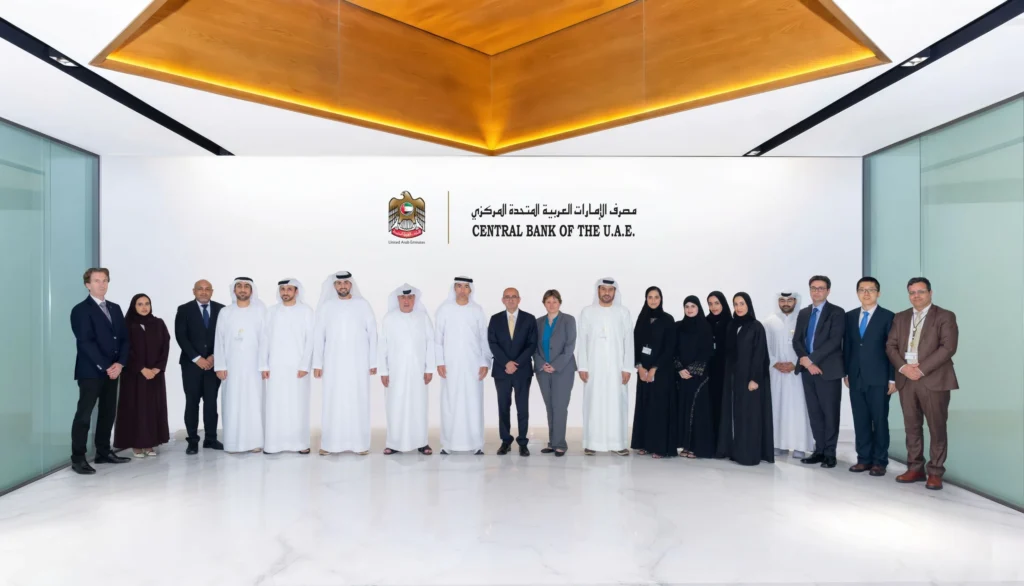
UAE Economy Shows Remarkable Resilience Amidst Regional Turmoil, Reports IMF
The International Monetary Fund (IMF) has released a positive assessment of the United Arab Emirates’ economy following a recent visit by its staff team from July 7 to July 16, 2026. This visit comes at a time when various conflicts in the Middle East have raised concerns about economic stability in the region. However, the IMF’s findings point to the UAE’s strong economic fundamentals and strategic policy measures that have enabled it to weather external shocks effectively.
Assessment of Economic Stability
During their visit, IMF representatives engaged in extensive discussions with UAE officials regarding the current economic landscape and future projections. The IMF team highlighted that the UAE’s economy has demonstrated notable resilience in the face of ongoing regional conflicts, which have historically posed challenges to economic stability in the Middle East. This resilience is attributed to a combination of prudent fiscal policies, a diversified economy, and robust financial systems that have helped to mitigate the impacts of geopolitical tensions.
Key Economic Indicators
The IMF’s analysis revealed that key economic indicators such as GDP growth, inflation rates, and employment figures remain stable. The UAE’s GDP is expected to continue its upward trajectory, supported by strong performance in sectors such as tourism, trade, and logistics. The diversification strategy initiated over the past decade has paid off, reducing the country’s reliance on oil revenues and fostering growth in non-oil sectors.
Strategic Policy Priorities
In their discussions, the IMF staff emphasized the importance of maintaining a proactive approach to economic policy. The UAE government has been urged to continue investing in infrastructure, innovation, and human capital development to sustain economic growth. Additionally, the IMF noted the significance of enhancing the business environment to attract foreign direct investment, which remains a critical component of the UAE’s economic strategy.
Future Outlook and Recommendations
Looking ahead, the IMF expressed optimism about the UAE’s economic prospects, forecasting steady growth over the coming years. However, they cautioned that continued vigilance is necessary, particularly in light of ongoing geopolitical tensions that could affect trade and investment flows. The IMF recommended that the UAE authorities focus on strengthening fiscal buffers and maintaining a flexible monetary policy to respond effectively to any external shocks.
Conclusion
The findings from the IMF’s recent visit underscore the UAE’s position as a resilient economic hub in a challenging regional context. With a commitment to sound policy frameworks and a focus on diversification, the UAE is poised to navigate the complexities of the Middle East’s geopolitical landscape while continuing to foster sustainable economic growth. As the global economy evolves, the UAE’s ability to adapt and respond to new challenges will be crucial in maintaining its status as a leading economic player in the region.
This article was originally aggregated from the source listed below.
Read Full Article on Gulf Today – Latest News →