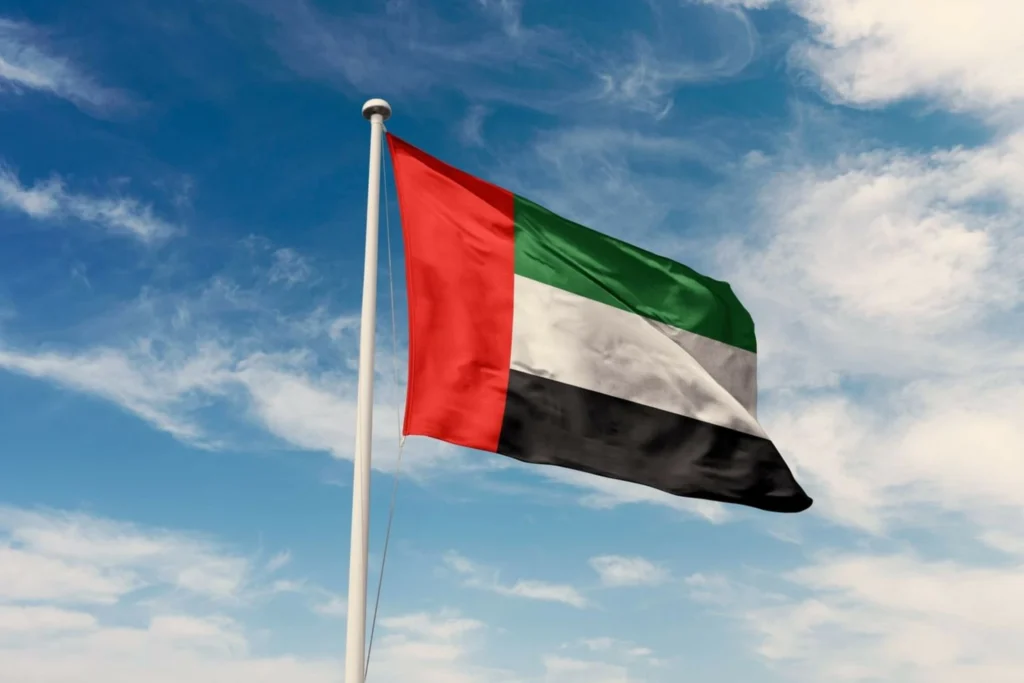
ABU DHABI: The United Arab Emirates has issued a strong condemnation of the recent hostile actions carried out by Iran, which have targeted the Kingdom of Bahrain, the State of Kuwait, and the Hashemite Kingdom of Jordan using missiles and drones. In an official statement released by the Ministry of Foreign Affairs (MoFA), the UAE expressed its unwavering support for the affected nations and reiterated its commitment to regional stability and security.
The MoFA’s statement emphasized the UAE’s stance against any form of aggression that threatens the sovereignty and territorial integrity of its neighbors. The ministry described the attacks as not only a direct threat to the targeted countries but also as a destabilizing factor for the broader region. This escalation of hostilities has raised alarms across the Gulf Cooperation Council (GCC) and has prompted calls for a unified regional response to Iran’s actions.
The recent attacks have reportedly involved the use of advanced drones and missiles, showcasing Iran’s growing military capabilities and willingness to exert its influence through aggressive means. The UAE’s condemnation comes amid heightened tensions in the region, where geopolitical rivalries continue to play out against a backdrop of ongoing conflicts and unrest.
Regional Reactions and Implications
The UAE’s condemnation is echoed by other GCC members, who have expressed their concern over Iran’s military provocations. The collective response from the Gulf states underscores a shared apprehension regarding Iran’s intentions and its potential to disrupt the fragile balance of power in the region. Bahrain, Kuwait, and Jordan have also voiced their condemnation of the attacks, calling for international support to address the threats posed by Iranian aggression.
In addition to the immediate military implications, these developments could have broader repercussions for diplomatic relations in the region. The GCC nations may seek to bolster their defense cooperation and strategic partnerships with Western allies, particularly the United States, to counter the perceived threat from Iran. This situation also raises questions about the efficacy of diplomatic channels previously established to ease tensions between Iran and its neighbors.
International Community’s Role
The UAE has called upon the international community to take a firm stance against such acts of aggression. The MoFA’s statement highlighted the importance of collective efforts to ensure peace and security in the region, urging global powers to engage in dialogue and exert pressure on Iran to cease its hostile activities.
As the situation evolves, the UAE and its allies are likely to monitor developments closely, assessing both military and diplomatic options to safeguard their national interests. The recent attacks serve as a stark reminder of the volatility in the Middle East and the need for continued vigilance against threats that could destabilize the region further.
In conclusion, the UAE’s robust condemnation of Iran’s actions reflects a growing concern among Gulf states regarding their security and the need for a united front against regional threats. As tensions escalate, the focus will increasingly shift to how the international community responds to ensure stability and peace in the Gulf region.
This article was originally aggregated from the source listed below.
Read Full Article on Gulf Today – Latest News →