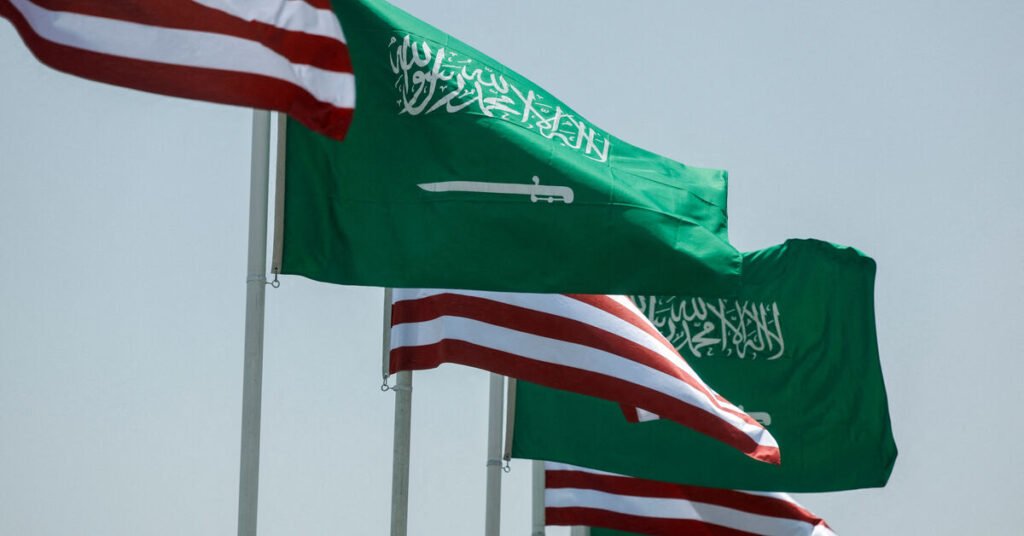
As discussions intensify surrounding a proposed nuclear energy pact between the United States and Saudi Arabia, concerns are mounting in Washington and across the Middle East regarding the implications of allowing the kingdom to enrich uranium and process spent atomic fuel. The Trump administration’s support for this agreement has raised alarms among regional states that fear it could lead to an escalation in nuclear weapons proliferation.
The Context of the Proposed Pact
The United States has historically maintained a cautious approach to nuclear agreements, especially in a region as volatile as the Middle East. However, the current administration’s backing of a nuclear energy deal with Riyadh is seen as a strategic move to bolster economic ties and energy partnerships with one of its closest allies in the region. This pact would facilitate Saudi Arabia’s ambitions to develop a civilian nuclear program, which Riyadh argues is essential for meeting its growing energy demands and diversifying its economy.
Regional Concerns About Proliferation
Despite the potential benefits of a nuclear energy program, neighboring countries are apprehensive about the implications of Saudi Arabia possessing the capability to enrich uranium. Nations such as Iran, which has long been suspected of seeking to develop nuclear weapons under the guise of a civilian program, are particularly wary. The prospect of Saudi Arabia acquiring similar capabilities could trigger a regional arms race, prompting other nations to pursue their nuclear ambitions in response.
The Historical Context of Nuclear Development in the Region
The history of nuclear development in the Middle East is fraught with tension and suspicion. Iran’s controversial nuclear program has been a focal point of international concern, leading to a series of sanctions and diplomatic negotiations aimed at curbing its potential military applications. If the U.S.-Saudi pact allows for uranium enrichment, it could undermine the efforts made to contain Iran’s nuclear ambitions and destabilize the already fragile balance of power in the region.
Domestic Reactions in the U.S.
In Washington, the proposed nuclear pact has sparked a divided response among policymakers. Proponents argue that a nuclear energy agreement with Saudi Arabia could provide a framework for a more stable energy supply, while also allowing for U.S. oversight of nuclear materials. However, critics warn that this deal could inadvertently facilitate the kingdom’s path to developing nuclear weapons, especially if it does not include stringent safeguards and oversight mechanisms.
International Responses and Diplomatic Implications
Internationally, the deal has drawn scrutiny from various quarters, with some allies expressing concern that it could undermine non-proliferation treaties and agreements. The potential for Saudi Arabia to become a nuclear-capable state raises significant questions about the future of U.S. foreign policy in the region and its commitment to preventing the spread of nuclear weapons.
The Path Forward
As negotiations continue, it remains to be seen how the U.S. will balance its strategic interests in Saudi Arabia with the broader implications for regional stability and global non-proliferation efforts. The outcome of this proposed nuclear pact could set a precedent for future agreements in the Middle East, influencing the dynamics of power and security in one of the world’s most strategically important regions.
In conclusion, the proposed nuclear pact between the U.S. and Saudi Arabia presents a complex array of challenges and opportunities. While it aims to foster energy collaboration, it simultaneously raises significant alarms about the potential for nuclear proliferation, not only in Saudi Arabia but throughout the Middle East. As stakeholders weigh the benefits against the risks, the international community watches closely, anticipating the implications of this pivotal agreement.
This article was originally aggregated from the source listed below.
Read Full Article on Al-Monitor – Middle East Politics & News →