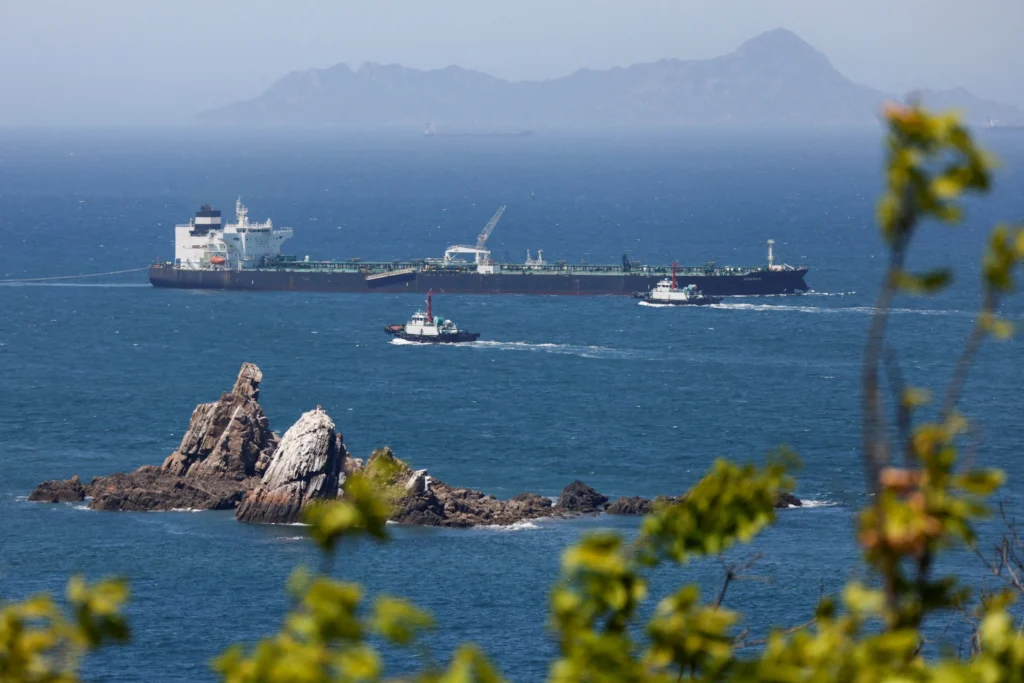
Fleet of Japan-Linked Ships Depart from Strait of Hormuz Amid Shipping Developments
In a significant maritime development, a fleet of ten vessels associated with Japan has successfully exited the strategically vital Strait of Hormuz on Monday. This movement comes in the wake of a supertanker transporting Saudi crude oil to South Korea, which also departed the region over the weekend. Shipping data from LSEG (London Stock Exchange Group) highlights these movements as crucial for the ongoing maritime trade in the Gulf, a region that has seen its fair share of geopolitical tensions and shipping disruptions in recent months.
Shipping Dynamics in the Gulf
The Strait of Hormuz, a narrow passage that connects the Persian Gulf with the Gulf of Oman, is one of the world’s most critical chokepoints for oil transportation. Approximately one-fifth of global oil supplies pass through this waterway, making it a focal point for international shipping routes. The recent exit of the Japan-linked fleet marks a notable return to normalcy for vessels that had been stranded in the Gulf for an extended period due to various logistical challenges and geopolitical uncertainties.
Background on the Japan-Linked Fleet
The ten vessels, which reportedly include cargo ships and tankers, had been anchored in the Gulf for several months. Their prolonged stay was attributed to a combination of factors including heightened security concerns, regulatory changes, and operational delays that have plagued shipping routes in the region. The return of these vessels to their operational routes is expected to reinvigorate trade links between Japan and the Middle East, particularly in the energy sector.
Japan, which relies heavily on imported energy, has maintained a significant maritime presence in the Gulf. The departure of these vessels is likely to facilitate the flow of goods and resources, including crude oil, which is vital for Japan’s energy security.
Impact of the Supertanker Departure
In related news, the exit of the supertanker carrying Saudi crude to South Korea is another pivotal development in the region’s shipping landscape. This move not only underscores the robust trade relations between Saudi Arabia and South Korea but also reflects the ongoing dynamics of oil supply routes amid fluctuating global energy demands. Saudi Arabia remains a key player in the global oil market, and its ability to maintain steady shipments is crucial for countries reliant on its crude oil, including South Korea.
Future Implications
The successful exit of these vessels from the Strait of Hormuz may signal a period of stabilization for shipping operations in the region. However, analysts remain cautious, noting that geopolitical tensions in the Middle East can quickly escalate, potentially impacting maritime operations. As such, shipping companies and nations dependent on the Strait for trade will continue to monitor the situation closely.
As global economic recovery progresses, the resumption of shipping activities in the Gulf is expected to play a significant role in enhancing trade flows and supporting economic growth in both the Middle East and Asia. The successful navigation of these vessels through one of the world’s most critical maritime corridors serves as a reminder of the intricate relationship between geopolitics and global trade.
This article was originally aggregated from the source listed below.
Read Full Article on Gulf Today – Latest News →