Foreign Buyers and Limited Supply Expected to Bolster Abu Dhabi’s Housing Market Until 2030
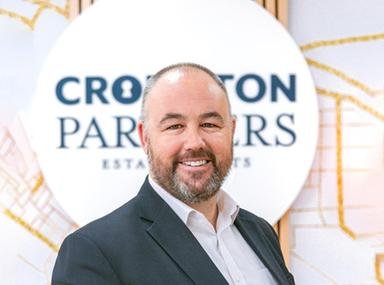
As the Abu Dhabi housing market continues to evolve, several key trends are emerging that are set to shape its trajectory over the next several years. In an insightful interview with Zawya Projects, Ben Crompton, Managing Partner of Crompton Partners Estate Agents, elaborated on the factors driving residential property dynamics in the UAE capital. With foreign investment pouring in and a tightening supply of available housing, Crompton predicts a robust market outlook through 2030.
Foreign Investment as a Catalyst
One of the most significant influences on Abu Dhabi’s real estate sector is the influx of foreign buyers. Crompton noted that the emirate’s status as a safe and attractive investment destination is drawing interest from international investors, particularly from regions such as Europe, Asia, and North America. The appeal lies not only in the luxurious lifestyle that Abu Dhabi offers but also in the potential for substantial returns on investment.
The UAE’s strategic location, coupled with its world-class infrastructure and a growing economy, has made it a prime target for foreign capital. Crompton emphasized that the ongoing efforts by the government to diversify the economy and enhance the business environment further enhance the attractiveness of the real estate market. This trend is expected to continue, providing a solid foundation for property demand in the coming years.
Challenges of Supply and Demand
While foreign investment is a driving force, the supply side of the equation presents challenges that could impact market dynamics. Crompton pointed out that the availability of residential properties is tightening, particularly in desirable areas. With a limited number of new developments coming to market, competition among buyers is likely to increase, leading to upward pressure on prices.
Several factors contribute to this constrained supply. Delays in project completions, regulatory hurdles, and a shift in focus towards luxury developments have all played a role. Crompton indicated that while there are multiple projects in the pipeline, the pace of their completion may not keep up with demand, particularly as the population of Abu Dhabi continues to grow.
Luxury Developments on the Rise
In response to the demand from affluent buyers, luxury residential developments are becoming a focal point in Abu Dhabi’s real estate landscape. High-end properties, including villas and upscale apartments, are being designed to cater to the tastes and preferences of the wealthy clientele. Crompton highlighted that these luxury projects not only offer lavish amenities but also emphasize sustainability and modern design, appealing to a global audience.
This shift towards luxury living is also supported by the emirate’s commitment to enhancing its lifestyle offerings. Ongoing infrastructure projects, including new cultural institutions, parks, and recreational facilities, are expected to elevate the overall living experience in Abu Dhabi, making it even more attractive to potential buyers.
Infrastructure-Led Demand
The emphasis on infrastructure development is another critical factor influencing the housing market. Crompton noted that improvements in transportation, healthcare, and education are creating a more desirable environment for residents. As Abu Dhabi continues to invest in its infrastructure, the demand for housing in well-connected areas is likely to surge.
In conclusion, the outlook for Abu Dhabi’s residential property market appears positive, driven by foreign investment and a constrained supply of housing. As the emirate positions itself as a hub for luxury living and modern amenities, stakeholders in the real estate sector will need to adapt to these evolving trends to capitalize on the opportunities that lie ahead. With projections extending through 2030, the coming years promise to be transformative for Abu Dhabi’s housing landscape.
This article was originally aggregated from the source listed below.
Read Full Article on Zawya – GCC Business & Press →