IMF Lauds UAE’s Economic Resilience and Banking Sector Amid Regional Turmoil
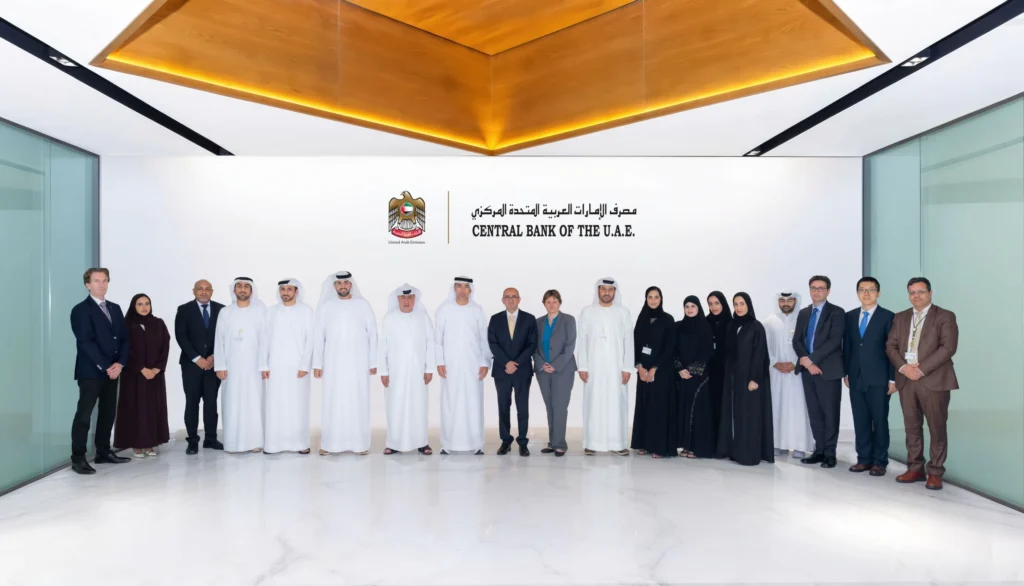
The International Monetary Fund (IMF) has recently wrapped up a significant visit to the United Arab Emirates, which took place from July 7 to July 16, 2026. This visit was aimed at assessing the current economic landscape, financial stability, and the policy frameworks in place within the UAE, particularly in light of ongoing regional challenges. The insights gained during this period underscore the UAE’s robust economic performance and the resilience of its banking sector.
Key Findings from the IMF Visit
During their visit, the IMF staff team engaged in comprehensive discussions with UAE government officials, financial authorities, and economic experts. These discussions revolved around the latest economic indicators, financial developments, and the broader implications of regional geopolitical tensions. The IMF’s findings highlight the UAE’s ability to navigate these challenges effectively, showcasing a strong economic foundation that continues to attract global investors.
The IMF team noted that the UAE’s economy has demonstrated remarkable resilience, characterized by steady growth rates and a diversified economic structure. The UAE has successfully shifted its economic reliance from oil to other sectors, including tourism, finance, and technology, which have all contributed to a more balanced and sustainable growth model.
Banking Sector Stability
One of the standout features of the UAE’s economic landscape is its banking sector, which the IMF described as stable and well-capitalized. The UAE’s banks have shown impressive adaptability in the face of external pressures, maintaining strong liquidity ratios and capital adequacy levels. This stability is crucial for fostering investor confidence and ensuring the continued flow of credit to businesses and consumers alike.
The IMF’s assessment also highlighted the importance of regulatory frameworks that have been put in place to safeguard the banking sector against potential shocks. These measures include stringent lending standards and proactive monitoring of financial institutions, which have collectively contributed to the resilience of the banking system.
Future Outlook and Policy Priorities
Looking ahead, the IMF emphasized the importance of continued reforms and policy initiatives to sustain economic growth. The organization recommended that the UAE government focus on enhancing productivity, investing in innovation, and further diversifying its economy. Additionally, the IMF underscored the need for a strategic approach to addressing environmental sustainability and climate change, which are increasingly important factors in global economic planning.
The IMF’s report also acknowledged the UAE’s efforts to strengthen its social safety nets and support vulnerable populations, particularly in light of the economic disruptions caused by regional conflicts and global economic fluctuations. Ensuring social stability is seen as vital for maintaining the UAE’s long-term growth trajectory.
Conclusion
In conclusion, the IMF’s visit to the UAE has reaffirmed the nation’s strong economic standing and the resilience of its banking sector amid a complex regional backdrop. As the UAE continues to implement strategic reforms and adapt to global economic shifts, it remains well-positioned to sustain its growth and attract foreign investment. The findings from the IMF serve as both a commendation of past efforts and a guiding framework for future policy directions, emphasizing the importance of innovation and sustainability in the UAE’s economic agenda.
This article was originally aggregated from the source listed below.
Read Full Article on Gulf Today – Latest News →