In a significant escalation of hostilities, Iranian forces have intensified their attacks on U.S. military bases across the Gulf states, marking a worrying development in the already fraught geopolitical landscape of the region. The latest round of assaults, involving a barrage of missiles and drone strikes, underscores the deteriorating relations between Washington and Tehran, as both nations find themselves embroiled in a cycle of retaliation and aggression.
According to reports from both Washington and Dubai, U.S. and Iranian military units have engaged in heavy exchanges of fire, with Iran’s Islamic Revolutionary Guard Corps (IRGC) claiming responsibility for the attacks. The IRGC has asserted that it has targeted U.S. facilities in several Gulf states, a move that has raised alarms among regional allies and prompted a swift response from the U.S. military.
Strategic Significance of the Strait of Hormuz
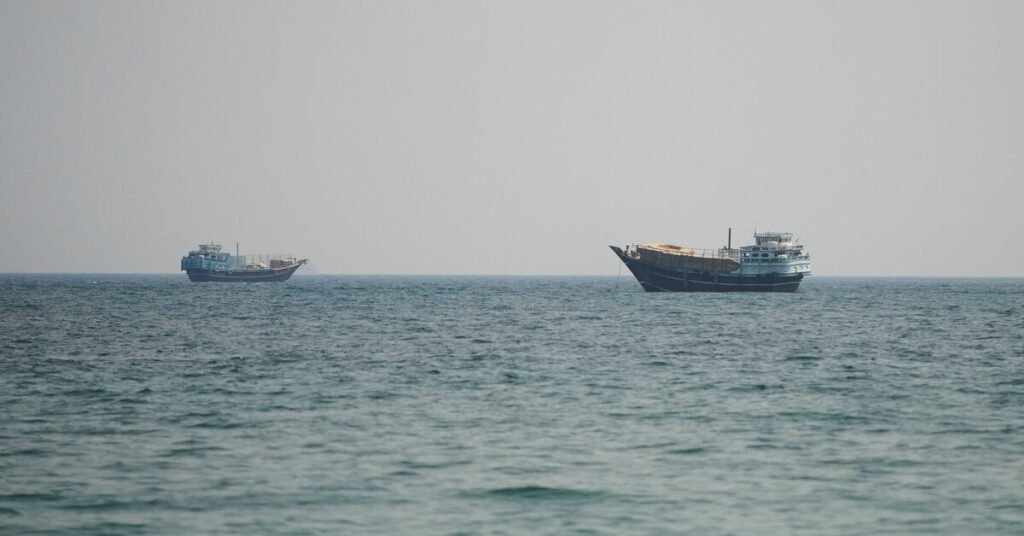
Compounding the situation, Iranian officials have announced the closure of the strategically vital Strait of Hormuz, a critical maritime corridor through which approximately 20% of the world’s oil passes. This closure has sent shockwaves through global oil markets, leading to a spike in oil prices as traders react to the potential disruption of supply. The Strait is not only pivotal for Iranian exports but also for the economies of numerous countries dependent on oil imports.
As tensions mount, Iranian leaders have issued stern warnings of further “incidents” in the Strait, suggesting that the military confrontation could escalate further. The IRGC’s recent statements indicate a commitment to assert Iranian dominance in the region, reflecting Tehran’s long-standing strategy of using asymmetric warfare to counter U.S. influence.
U.S. Response and Regional Implications
The U.S. military has responded to the attacks by increasing its readiness and deploying additional resources to the Gulf region. Pentagon officials have emphasized the importance of protecting American personnel and assets, while also reassuring allies of the U.S. commitment to regional security. This includes potential deployments of naval forces to ensure safe passage through the Strait and to deter further Iranian aggression.
In light of these developments, regional allies, particularly those within the Gulf Cooperation Council (GCC), are expressing deep concern over the rising tensions. Countries such as Saudi Arabia and the United Arab Emirates, which have historically aligned with U.S. interests, are now facing the prospect of increased instability on their borders. The potential for miscalculation or unintended clashes in such a volatile environment raises the stakes for all parties involved.
International Reactions and Future Outlook
The international community is closely monitoring the situation as diplomatic efforts to de-escalate tensions have so far proven ineffective. Calls for restraint have emerged from various quarters, including European nations that have long sought a diplomatic resolution to the Iranian nuclear issue. However, the Iranian leadership’s recent provocations suggest a pivot away from negotiations, focusing instead on military posturing.
The escalating conflict between U.S. and Iranian forces signals a potential shift in the balance of power in the region, with implications that could reverberate through global markets and diplomatic relations for years to come. As both sides brace for further confrontations, the prospect of a broader conflict looms, leaving the world to watch anxiously as events unfold in the Gulf.
This article was originally aggregated from the source listed below.
Read Full Article on Al-Monitor – Middle East Politics & News →