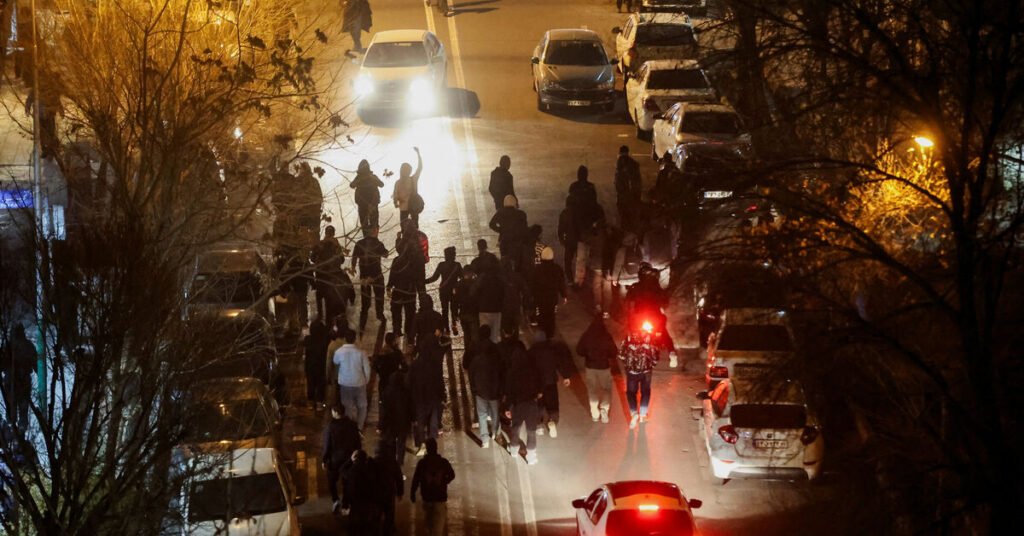
In a significant and controversial development, Iran has executed a man in connection with the widespread protests that erupted across the country in January. The official judiciary’s news agency, Mizan, confirmed the execution of Mehdi Khaneki, stating that he was charged with “operational actions” during the demonstrations. This announcement has reignited concerns regarding the Iranian government’s harsh crackdown on dissent and the treatment of individuals involved in the protests.
The protests that swept through Iran in January were sparked by a combination of economic grievances and political discontent, culminating in widespread calls for reform and greater freedoms. These demonstrations were met with a severe response from Iranian authorities, who viewed them as a threat to national security. The government has since implemented measures to quell dissent, including arrests, trials, and, as seen in the case of Khaneki, capital punishment.
Khaneki’s execution marks a troubling chapter in the ongoing struggle for civil liberties in Iran. According to Mizan, he was found guilty of participating in actions that the authorities deemed operationally significant during the protests. While specific details regarding the nature of these actions remain sparse, the judiciary’s decision to impose the death penalty highlights the regime’s zero-tolerance stance towards dissent.
The opposition group, which reported Khaneki’s execution, has condemned the Iranian government for its increasingly repressive measures. They argue that the execution reflects a broader pattern of human rights abuses in the country, particularly against those who engage in peaceful protests. Human rights organizations have long criticized Iran for its use of capital punishment, particularly in politically motivated cases, and have called for international intervention to halt such practices.
Following Khaneki’s execution, activists and analysts have voiced concerns that this act could further intimidate citizens from expressing dissent. “This execution sends a chilling message to anyone considering taking part in protests,” said a spokesperson for the opposition group. “It demonstrates the lengths the regime will go to in order to silence voices of opposition.” This sentiment echoes the fears of many Iranians who are wary of the consequences of speaking out against the government.
The timing of the execution is particularly notable, as it comes amid heightened tensions within the region and ongoing scrutiny of Iran’s domestic policies. The international community has been closely monitoring the situation in Iran, especially in light of previous protests that have led to significant casualties and arrests. Activists are now calling for global leaders to hold the Iranian government accountable for its actions and to advocate for the protection of human rights within the country.
As Iran grapples with internal unrest and international condemnation, the execution of Mehdi Khaneki stands as a stark reminder of the risks faced by those who dare to challenge the status quo. The unfolding situation raises critical questions about the future of civil liberties in Iran and the extent to which the government will go to maintain its grip on power.
This article was originally aggregated from the source listed below.
Read Full Article on Al-Monitor – Middle East Politics & News →