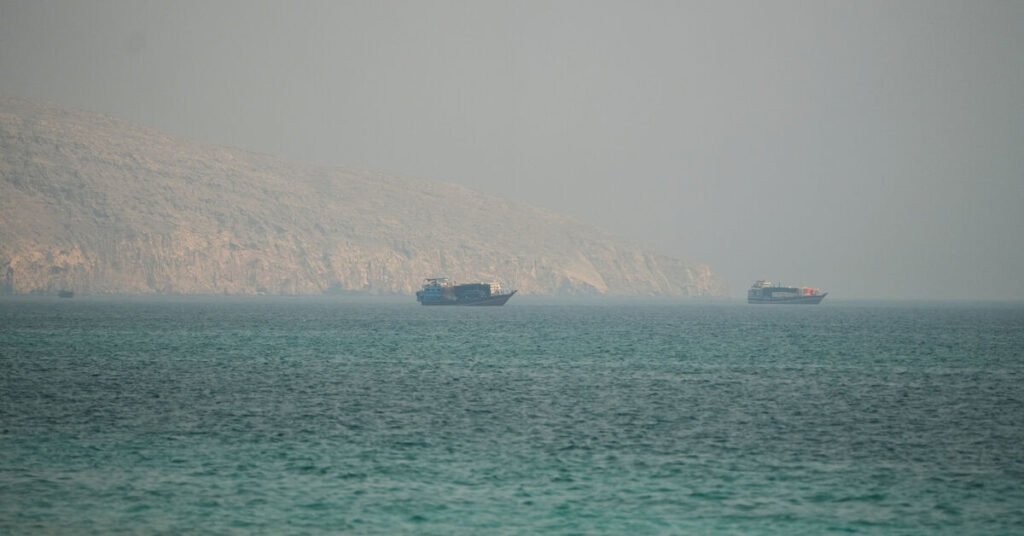
Washington/Dubai, July 12 – Tensions in the Gulf region have escalated dramatically following a series of missile and drone strikes exchanged between U.S. and Iranian forces. In a notable intensification of hostilities, Iran has launched attacks targeting U.S. facilities in various Gulf states, a move that has raised alarms regarding regional security and the stability of vital shipping routes.
The conflict erupted on Sunday, as Iranian military forces escalated their offensive, reportedly striking installations in countries allied with the United States. This comes in the wake of recent U.S. airstrikes that targeted Iranian assets, a response to earlier provocations by Tehran. The exchange of fire marks a significant uptick in an already volatile situation, with both sides demonstrating a readiness to engage in direct confrontations.
Iran’s Strategic Moves
In the aftermath of these military actions, Iranian officials have declared the closure of the Strait of Hormuz, a critical maritime chokepoint through which approximately one-fifth of the world’s oil passes. The Iranian military stated that this closure is a necessary measure in light of the ongoing hostilities and serves as a warning to adversaries. The Strait has historically been a flashpoint for tensions between Iran and Western nations, particularly the United States.
“The closure of the Strait of Hormuz is a strategic response to the aggressive posture of the U.S. and its allies in the region,” said an Iranian military spokesperson. “We will not allow our sovereignty to be compromised.” The implications of such a closure are severe, potentially leading to disruptions in global oil supplies and a spike in oil prices, which could have far-reaching economic consequences.
Regional Repercussions
The attacks have not only targeted U.S. facilities but have also raised concerns among neighboring Gulf states. Countries such as Saudi Arabia, the United Arab Emirates, and Kuwait are on high alert, fearing that they could become collateral damage in this escalating conflict. As a result, many Gulf nations are reassessing their security protocols and military readiness in light of the increased Iranian aggression.
“The situation is precarious, and the potential for miscalculation is high,” said a senior defense analyst in the region. “Gulf states must prepare for the possibility of further Iranian actions that could threaten their security and economic interests.”
International Response
In response to the escalating violence, the U.S. has reaffirmed its commitment to protecting its assets and allies in the region. U.S. military officials have indicated that they are closely monitoring the situation and are prepared to take further action if necessary. “We will ensure the safety of our personnel and partners in the Gulf,” stated a Pentagon spokesperson.
Moreover, international diplomatic channels are reportedly being activated to address the growing crisis. The United Nations and other global organizations have called for restraint from both sides, emphasizing the need for dialogue to prevent further escalation.
Conclusion
The situation in the Gulf remains fluid and highly volatile. With Iran asserting its military capabilities and the U.S. maintaining a strong presence in the region, the potential for a wider conflict looms large. As both nations engage in this dangerous tit-for-tat, the international community watches closely, aware that the ramifications of this conflict could extend far beyond the shores of the Gulf.
This article was originally aggregated from the source listed below.
Read Full Article on Al-Monitor – Middle East Politics & News →