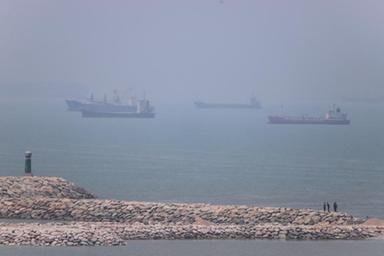
Kuwait has issued a strong condemnation of the recent Iranian attack on oil tankers belonging to the United Arab Emirates in the strategically significant Strait of Hormuz. The incident has raised alarm bells across the Gulf region, prompting swift responses from neighboring countries concerned about maritime security and regional stability.
The Kuwaiti Ministry of Foreign Affairs released a statement reaffirming the nation’s unwavering solidarity with the UAE, emphasizing its commitment to supporting all measures taken to ensure the security and safety of the UAE’s maritime operations. The ministry described the attack as a “serious threat” to international shipping and a violation of the principles of maritime law, which are essential for maintaining peace and security in the region.
The Strait of Hormuz, a vital waterway through which approximately one-fifth of the world’s oil passes, has been a focal point of geopolitical tension, particularly between Iran and its Gulf neighbors. The recent attack on UAE oil tankers marks a troubling escalation in hostilities, which could have far-reaching implications for global energy markets and regional diplomacy.
Kuwait’s condemnation comes amidst a backdrop of heightened tensions between Iran and several Gulf states, including the UAE and Saudi Arabia. The Iranian government has been accused of engaging in aggressive tactics to assert its influence in the region, often targeting foreign vessels and threatening the freedom of navigation in the Gulf waters.
In light of these developments, Kuwait has called for a collective response from Gulf Cooperation Council (GCC) member states to address the growing threats to maritime security. The ministry urged for enhanced cooperation and coordination among GCC nations to safeguard their shared interests and protect their waters from external aggression.
The attack on UAE oil tankers not only poses immediate risks to the vessels and their crews but also raises concerns about the potential for broader conflict in the region. Analysts fear that if such incidents continue, they could provoke a military response, escalating tensions further and jeopardizing the fragile stability that currently exists in the Gulf.
In response to the attack, the UAE has vowed to take all necessary measures to protect its maritime interests and ensure the safety of its shipping lanes. The government has indicated that it will work closely with international partners to enhance security protocols in the Strait of Hormuz and deter any future threats.
As the situation unfolds, the international community is closely monitoring developments in the Gulf. The United States and European allies have reiterated their commitment to maintaining freedom of navigation in international waters and have called upon Iran to cease its aggressive tactics against shipping vessels.
In conclusion, Kuwait’s condemnation of the Iranian attack on UAE oil tankers underscores the urgency of addressing the growing threats to maritime security in the Gulf region. With tensions rising and the potential for conflict looming, the need for collaborative efforts among Gulf states to ensure stability and security has never been more critical.
This article was originally aggregated from the source listed below.
Read Full Article on Zawya – GCC Business & Press →