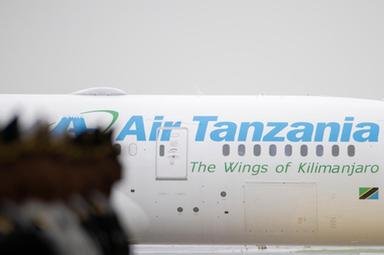
In a significant shift in strategy, Air Tanzania is redirecting its focus towards Eastern markets as it faces challenges in securing access to Western airspace. The airline’s decision comes in the wake of ongoing geopolitical tensions and regulatory barriers that have effectively locked it out of lucrative routes in the West. As a result, Air Tanzania is now exploring opportunities in rapidly growing markets across Asia and the Middle East.
The New Strategic Direction
Air Tanzania, the national carrier of Tanzania, has traditionally relied on routes connecting to Western destinations. However, analysts suggest that the current geopolitical climate has made these routes less viable, prompting the airline to pivot towards Eastern markets. Cities such as Moscow, Mumbai, Muscat, Dubai, and Guangzhou are now being viewed as promising hubs for the airline’s long-haul operations.
This strategic pivot is not merely reactive; it is also proactive. The airline aims to capitalize on the burgeoning demand for air travel in Asia and the Middle East, regions that have shown resilience and growth even amid global uncertainties. By expanding its reach into these markets, Air Tanzania hopes to bolster its revenue streams and ensure sustainable growth.
Market Potential
Analysts believe that the Eastern markets present a robust opportunity for Air Tanzania. For instance, Mumbai, as India’s financial capital, is witnessing a surge in business travel and tourism, making it an attractive destination for the airline. Similarly, Dubai, a global travel hub, offers extensive connectivity to various international destinations, which could enhance Air Tanzania’s operational efficiency.
Furthermore, cities like Guangzhou are rapidly becoming critical nodes in global trade and travel, particularly as China continues to rebound from the pandemic. The potential for partnerships with local carriers could also enhance Air Tanzania’s market presence and operational capacity in these regions.
Challenges and Opportunities
While the opportunities in Eastern markets are promising, Air Tanzania will need to navigate various challenges. Establishing new routes involves significant investment in infrastructure, marketing, and regulatory compliance. Moreover, the airline will need to compete with established carriers that already dominate these markets. This competition may require Air Tanzania to differentiate itself through superior service, competitive pricing, and innovative offerings.
Additionally, the airline must address logistical challenges, including fleet expansion and crew training, to ensure it can meet the demands of long-haul operations. Partnerships with other airlines and alliances could play a crucial role in overcoming these hurdles, allowing Air Tanzania to leverage existing networks and resources.
Looking Forward
As Air Tanzania embarks on this new chapter, the airline’s leadership remains optimistic about its prospects in the East. By diversifying its operational focus, the airline aims to mitigate risks associated with over-reliance on Western markets while positioning itself for long-term growth in emerging economies.
The commitment to exploring new markets reflects a broader trend among airlines globally, as they adapt to shifting geopolitical landscapes and changing consumer behaviors. As Air Tanzania turns its gaze eastward, industry observers will be keen to see how the airline navigates this strategic transition and capitalizes on the growth potential in these vibrant markets.
This article was originally aggregated from the source listed below.
Read Full Article on Zawya – GCC Business & Press →