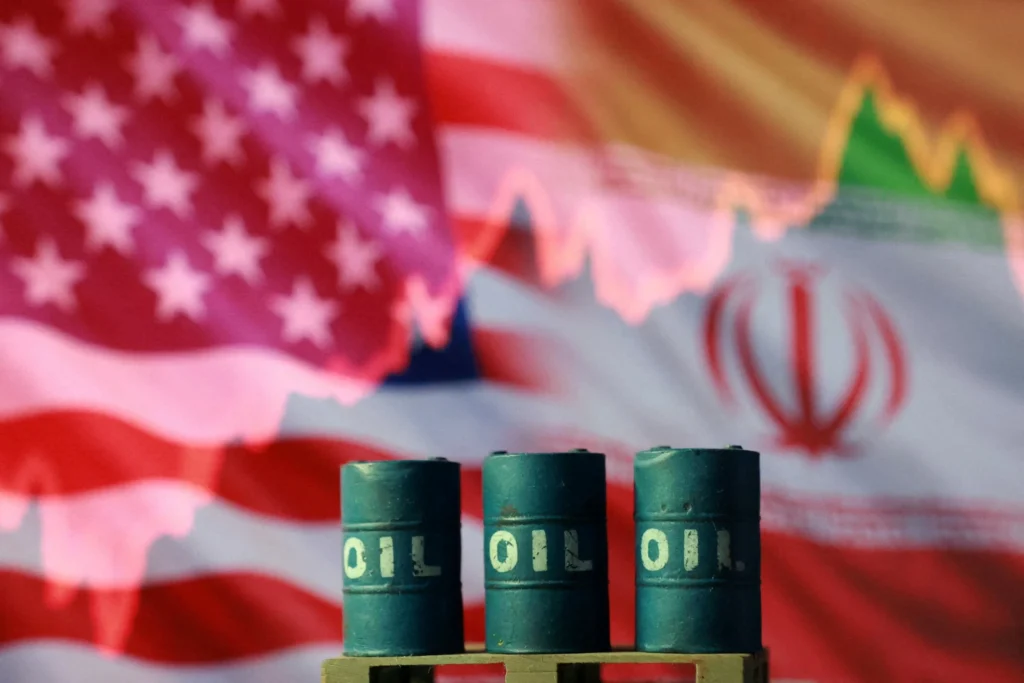
Oil Prices Surge Amid Escalating US-Iran Tensions
Oil prices surged to a four-week high on Tuesday, driven by escalating tensions between the United States and Iran. The renewed hostilities have raised significant concerns regarding the stability of energy flows through the strategically critical Strait of Hormuz, a vital waterway for global oil transportation.
Brent crude futures saw an increase of $2.74, representing a 3.29% rise, pushing prices to levels not seen since mid-September. This surge comes in response to the U.S. reimposing a naval blockade on Iran, a move that has drawn sharp criticism from Tehran and heightened fears of potential disruptions in oil supply.
The Geopolitical Context
The Strait of Hormuz is a narrow passage that connects the Persian Gulf with the Gulf of Oman. It serves as a conduit for approximately 20% of the world’s oil supply. Given its importance, any military escalation in the region can lead to significant fluctuations in global oil prices. The U.S. has expressed concerns over Iranian activities in the region, which it deems as provocative and destabilizing.
Recent reports indicate that U.S. naval forces have intensified their presence in the area, a direct response to what they describe as aggressive maneuvers by Iranian vessels. This military buildup is intended to deter any potential threats to shipping routes, but it has also escalated the ongoing conflict between the two nations. Iranian officials have vowed to retaliate against what they perceive as acts of aggression, further complicating the situation.
Market Reactions
Market analysts are closely monitoring the developments, as any prolonged conflict could lead to significant disruptions in oil supply, not only affecting prices but also impacting global economic stability. “The market is reacting to the potential for reduced oil flows from the Middle East,” said a senior analyst at a major investment firm. “Any indication that the Strait of Hormuz could be compromised will send prices soaring, as traders seek to hedge against potential shortages.”
In addition to the geopolitical factors, the oil market is also influenced by other dynamics, including OPEC production levels and global economic conditions. However, the immediate focus remains on the U.S.-Iran tensions, which have overshadowed other market considerations. As a result, investors are increasingly cautious, with many opting to buy crude oil futures in anticipation of further price increases.
Future Implications
Looking ahead, the potential for further escalation in the U.S.-Iran conflict poses a significant risk for oil markets. Should the situation deteriorate, analysts predict that prices could climb even higher, potentially reaching levels that would strain economies dependent on oil imports. Countries in the Asia-Pacific region, which heavily rely on oil transported through the Strait of Hormuz, are particularly vulnerable to these developments.
As tensions continue to rise, both Washington and Tehran will be under pressure to find a diplomatic solution to avert a broader conflict. The global community is watching closely, as the implications of this standoff extend far beyond the immediate region, affecting energy markets and economic stability worldwide.
In summary, with oil prices hitting a four-week high amid escalating U.S.-Iran tensions, the situation remains fluid. The world is bracing for the potential impacts of this geopolitical conflict on energy supplies and global markets.
This article was originally aggregated from the source listed below.
Read Full Article on Gulf Today – Latest News →