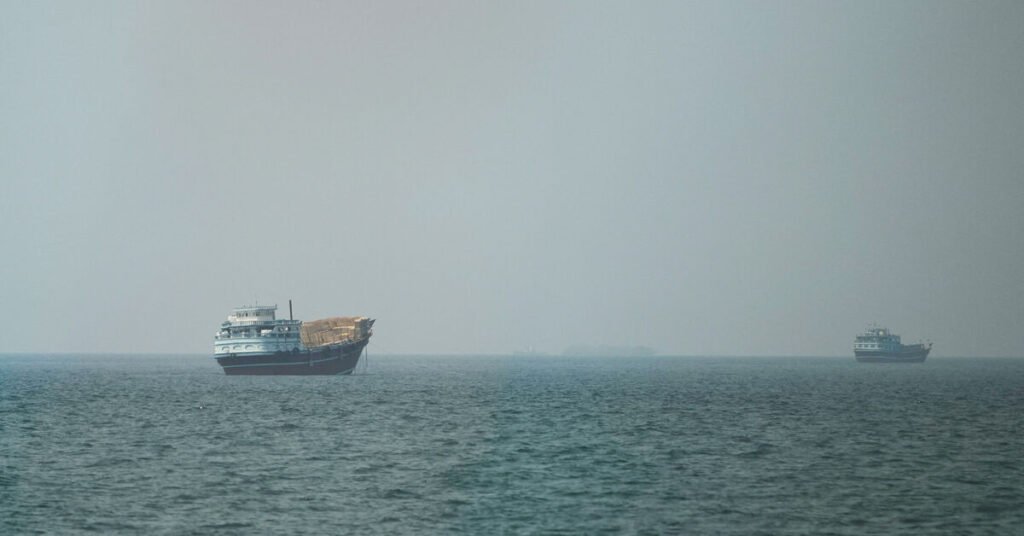
In a significant escalation of tensions in the Gulf region, the United Arab Emirates (UAE) has confirmed that two Emirati oil tankers, identified as the Al Bahyah and another unnamed vessel, were struck by Iranian cruise missiles in the strategically vital Strait of Hormuz. The attack, which occurred on July 14, has resulted in the tragic death of one Indian crew member, alongside injuries to eight other personnel aboard the tankers.
The UAE’s Ministry of Foreign Affairs condemned the missile strikes, labeling them as a blatant act of aggression that threatens maritime safety and security in one of the world’s busiest shipping lanes. The Strait of Hormuz is a critical chokepoint through which a significant percentage of the world’s oil supply is transported, making any disruption in this area a matter of global concern.
According to reports from local authorities, the missile strikes occurred during the early morning hours, catching the crew members off guard. Emergency response teams were promptly dispatched to the scene, and the injured sailors were provided with immediate medical attention. The deceased sailor has been identified as an Indian national, whose identity has not yet been disclosed pending notification of family members.
International Response and Implications
The UAE’s swift condemnation of the missile strikes has prompted a call for international solidarity to ensure maritime security in the region. Analysts are warning that such attacks could exacerbate already heightened tensions between Iran and its regional adversaries, including the UAE and Saudi Arabia. The incident has raised alarms among global oil markets, with traders closely monitoring potential disruptions to oil shipments through the Strait.
The Iranian government has yet to officially respond to the allegations of their involvement in the missile strikes. However, tensions between Iran and neighboring Gulf states have been escalating over the past year, with various incidents reported in the region, including attacks on commercial vessels and military confrontations.
Maritime Security Concerns
The incident highlights the pressing need for enhanced maritime security measures in the Gulf. Shipping companies operating in the region are likely to reassess their risk management strategies and may seek additional protection for their vessels. The UAE has historically been a strong advocate for safe navigation through the Strait of Hormuz, and this latest attack could lead to increased military presence or patrols in the area by Gulf Cooperation Council (GCC) member states.
- Increased Security Measures: Shipping firms may implement more stringent security protocols.
- International Coalition: Calls for a coalition to ensure safety in the Strait of Hormuz may gain momentum.
- Regional Stability: The incident could affect diplomatic relations and regional stability.
As the situation develops, the UAE and its allies are likely to engage in diplomatic discussions aimed at addressing the root causes of these hostilities. In the meantime, crews and shipping companies operating in the region remain on high alert, as the potential for further escalations looms large.
This incident serves as a stark reminder of the fragile security landscape in the Gulf, underscoring the necessity for continued vigilance and cooperation among nations to safeguard vital maritime routes. The international community will be closely watching how the UAE and Iran navigate this latest crisis, as the implications extend beyond the immediate region to the global energy market.
This article was originally aggregated from the source listed below.
Read Full Article on Al-Monitor – Middle East Politics & News →