UAE’s Non-Oil Foreign Trade Reaches Historic Milestone of Dhs2 Trillion in First Half of 2026
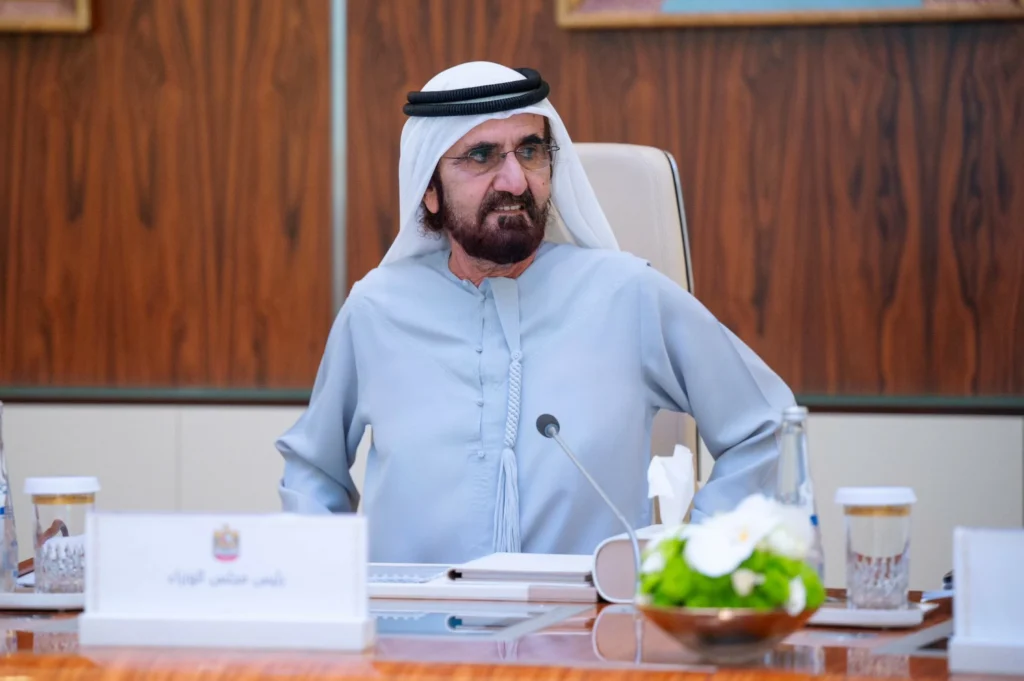
In a significant economic achievement, the United Arab Emirates has announced that its non-oil foreign trade has surged to an unprecedented Dhs2 trillion in the first half of 2026. This remarkable milestone was highlighted by His Highness Sheikh Mohammed Bin Rashid Al Maktoum, the Vice President, Prime Minister, and Ruler of Dubai, during a recent review of the nation’s trade performance.
Sheikh Mohammed took to the social media platform “X” to share the news, describing the results as “historic” and a testament to the UAE’s robust economic strategies and diversification efforts. The impressive figures reflect the resilience and adaptability of the UAE’s economy, particularly in a global landscape that has been marked by volatility and uncertainty.
Insights into the Trade Figures
The Dhs2 trillion figure encompasses a wide range of sectors and industries, underscoring the UAE’s strategic positioning as a global trade hub. The data indicates a significant increase in both imports and exports, showcasing the country’s ability to leverage its geographic location and world-class infrastructure to facilitate trade. The UAE has continued to strengthen its trade relationships with various countries, further enhancing its economic footprint on the international stage.
Key sectors contributing to this remarkable growth include electronics, machinery, and consumer goods, which have seen a notable increase in demand. Additionally, the UAE’s ongoing investments in logistics and supply chain enhancements have played a crucial role in supporting this growth, enabling faster and more efficient movement of goods.
Government Initiatives Supporting Trade Growth
The UAE government has been proactive in implementing policies aimed at fostering a conducive environment for trade. Initiatives such as the introduction of free trade agreements, improvements in customs procedures, and the establishment of special economic zones have all contributed to enhancing the country’s attractiveness as a trading partner. Furthermore, the UAE has focused on diversifying its trade partners, with increasing engagement in emerging markets across Asia, Africa, and Latin America.
Sheikh Mohammed emphasized that these achievements are not merely numbers but reflect the hard work and dedication of the UAE’s business community and government entities. He noted that the results are indicative of the nation’s commitment to economic diversification, aimed at reducing reliance on oil revenues and fostering sustainable growth.
Looking Ahead: Future Prospects
As the UAE continues to build on this momentum, there are expectations for further growth in the latter half of 2026. Analysts predict that ongoing investments in technology and innovation will further enhance the UAE’s trade capabilities. Additionally, the nation’s commitment to hosting international events and exhibitions is likely to attract global business interests, providing additional opportunities for trade expansion.
In conclusion, the UAE’s achievement of reaching Dhs2 trillion in non-oil foreign trade within just six months is a landmark moment in the nation’s economic journey. It underscores the effectiveness of strategic planning and the execution of policies aimed at fostering a thriving and diversified economy. Sheikh Mohammed’s leadership continues to inspire confidence in the UAE’s future, as the nation positions itself as a leader in global trade.
This article was originally aggregated from the source listed below.
Read Full Article on Gulf Today – Latest News →