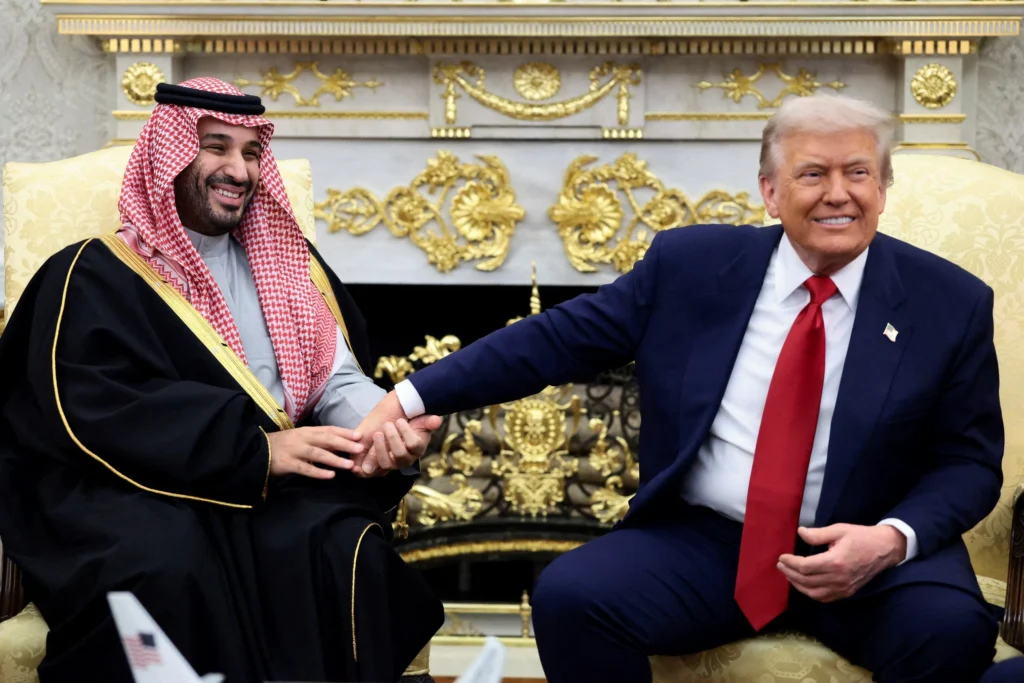
The United States is poised to sign a significant nuclear cooperation agreement with Saudi Arabia, with the formal announcement expected as early as Wednesday. This move comes amid ongoing discussions about the kingdom’s ambitions to develop a civilian nuclear program, which has raised concerns among international observers regarding nuclear proliferation in a volatile region.
Secretary of State Marco Rubio has been vocal about the administration’s position on the matter, emphasizing that any agreement reached will not lead to increased nuclear proliferation. During a recent press briefing, Rubio stated, “We are committed to ensuring that any nuclear cooperation with Saudi Arabia adheres strictly to non-proliferation principles.” He further reassured the public that the deal includes robust safeguards designed to prevent the diversion of nuclear materials for military use.
Details of the Agreement
While specific terms of the agreement have yet to be disclosed, it is widely understood that the deal could allow Saudi Arabia to pursue uranium enrichment capabilities, a key component of any nuclear energy program. This capability would enable the kingdom to produce fuel for its nuclear reactors, which is essential for its plans to diversify its energy sources and reduce its reliance on oil.
Saudi Arabia has been vocal about its desire to develop a civilian nuclear program, citing the need for sustainable energy solutions and the desire to meet growing domestic energy demands. The kingdom’s Vision 2030 initiative aims to transform its economy and reduce its dependency on fossil fuels. However, the potential for uranium enrichment raises red flags, as it could pave the way for the production of nuclear weapons if not properly regulated.
Concerns Over Nuclear Proliferation
The prospect of a nuclear-armed Saudi Arabia has alarmed various international stakeholders, particularly neighboring countries and Western powers. Critics argue that allowing the kingdom to enrich uranium could spark a regional arms race, prompting other nations in the Middle East to pursue similar capabilities. In light of these concerns, the United States has been under pressure to ensure that any agreement includes stringent oversight mechanisms.
- Stringent Safeguards: The proposed agreement is expected to include provisions that would allow for comprehensive inspections and monitoring by the International Atomic Energy Agency (IAEA).
- Commitment to Non-Proliferation: The US has reiterated its commitment to the global non-proliferation treaty, emphasizing that the agreement will not compromise international security.
- Regional Stability: There are ongoing discussions about how to address the security concerns of other Middle Eastern nations, particularly Iran, which has been a focal point in the nuclear discourse.
As the deal moves closer to finalization, the Trump administration faces the challenge of balancing its strategic interests in the Middle East with the imperative of preventing nuclear proliferation. The implications of this agreement will likely reverberate across the region, impacting diplomatic relations and security dynamics for years to come.
In conclusion, while the agreement between the US and Saudi Arabia represents a milestone in nuclear cooperation, it also underscores the delicate balance required to ensure that such developments do not lead to heightened tensions or a regional arms race. As the situation unfolds, the international community will be watching closely to see how the United States navigates these complex issues.
This article was originally aggregated from the source listed below.
Read Full Article on Gulf Today – Latest News →