Washington and Tehran Engage in Escalating Military Confrontation
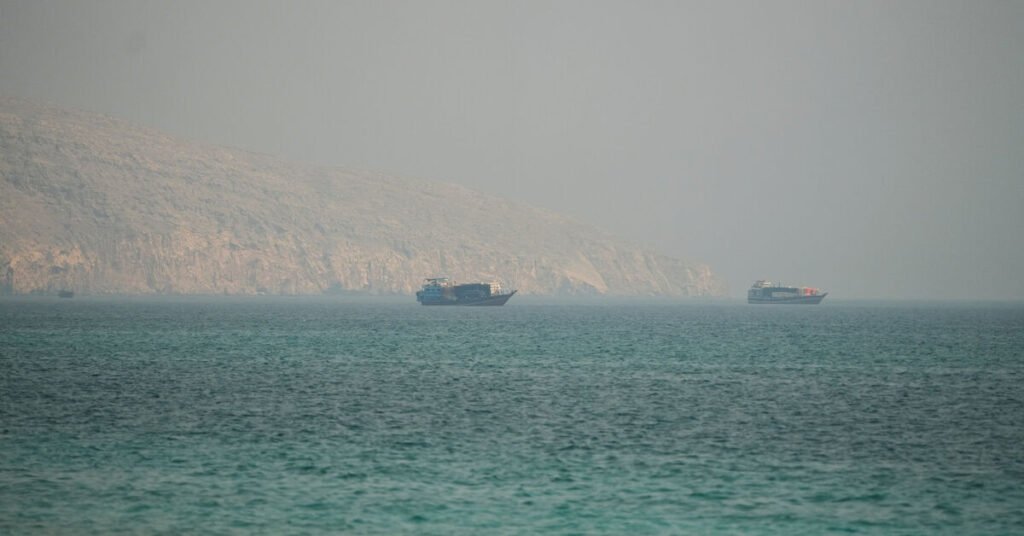
In a dramatic escalation of hostilities, the United States and Iran exchanged heavy missile and drone strikes on Sunday, marking a significant uptick in their long-standing confrontation. The Iranian military has explicitly targeted U.S. facilities in several Gulf states, following a bold announcement that it has closed the strategically vital Strait of Hormuz, a critical waterway for global oil shipments.
The conflict intensified over the weekend, with the U.S. launching a series of retaliatory strikes against Iranian military sites. These actions were in response to previous assaults on American assets in the region, which have increasingly come under threat as tensions have flared. The Pentagon confirmed that the strikes aimed to deter future Iranian aggression and protect U.S. personnel stationed in the Gulf.
Iran’s military response involved a well-coordinated attack that utilized both missile and drone technology, targeting U.S. bases in Iraq, Saudi Arabia, and other Gulf states. The Iranian government stated that these strikes were a necessary measure to defend its national sovereignty and respond to perceived provocations from Washington. In a statement, the Iranian military declared, “The Strait of Hormuz is closed to any hostile forces, and we will not hesitate to protect our interests and those of our allies in the region.”
The closure of the Strait of Hormuz, through which approximately 20% of the world’s oil passes, raises serious concerns about global energy supplies and economic stability. Analysts warn that such a blockade could trigger a spike in oil prices and disrupt international markets, further complicating an already fragile global economy. The U.S. has emphasized its commitment to ensuring freedom of navigation in the Strait, stating that it is prepared to take all necessary steps to keep the waterway open.
International Reactions and Diplomatic Efforts
The escalating military confrontation has drawn widespread condemnation from various international actors. European nations, alongside major powers such as China and Russia, have urged both the U.S. and Iran to de-escalate tensions and return to diplomatic negotiations. The European Union’s foreign policy chief called for “immediate dialogue” to prevent further military escalation and to address the underlying issues driving the conflict.
Meanwhile, Gulf states are on high alert as they assess the potential fallout from the ongoing hostilities. Military analysts suggest that regional allies of the U.S. may bolster their defenses in anticipation of further Iranian aggression. Saudi Arabia, in particular, has expressed concerns over the security of its oil infrastructure, leading to increased military readiness along its eastern coast, where much of its oil production is concentrated.
Future Implications for U.S.-Iran Relations
This latest round of conflict underscores the precarious nature of U.S.-Iran relations, which have been fraught with tension since the U.S. withdrew from the Iran nuclear deal in 2018. The situation remains fluid, with both sides exhibiting a willingness to escalate military actions rather than engage in constructive dialogue. Analysts fear that without diplomatic intervention, the risk of miscalculation could lead to a larger regional conflict.
As the world watches closely, the situation in the Gulf remains critical. The potential for further military engagement looms large, and the implications of these developments will likely resonate far beyond the immediate region, influencing global security dynamics for the foreseeable future.
This article was originally aggregated from the source listed below.
Read Full Article on Al-Monitor – Middle East Politics & News →